This Timer is Running: Ways to Preserve TikTok VODs Prior to They Expire
In the ever-changing world of social platforms, TikTok has carved a niche for itself as a platform where artistry and immediacy thrive. As content creators, the excitement of going live and engaging with audiences in real time is one of a kind. However, with the rush of live streaming comes the difficulty of ensuring that memorable moments are saved before they disappear. For those who depend on TikTok for their digital presence, it’s vital to have plans in place to archive VODs, before they are gone.
Building a solid live streaming setup is key for any emerging influencer or content creator. Whether you are at your workspace with a premium microphone or filming on-the-go content with a smartphone and lighting setup, the necessity of documenting your work cannot be underestimated. Utilizing resources such as video recording software and efficient cloud storage options allows you to build a video archive that houses your best moments. This way, you can access and distribute your work long after the live stream has wrapped up, ensuring that your creative efforts continue to reach new audiences.
Configuring A Streaming Space
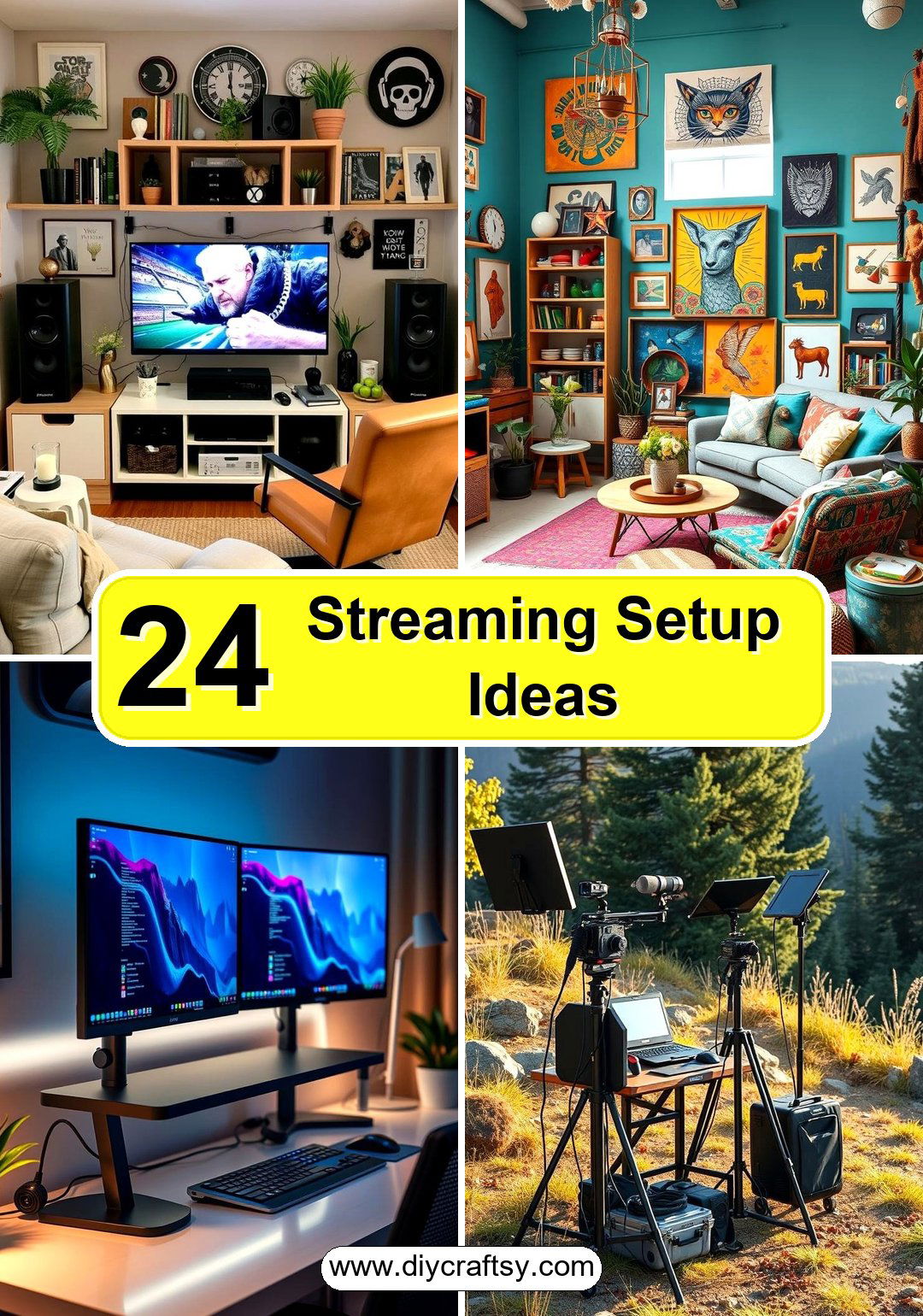
Establishing an optimal streaming space is vital for individuals looking to save their TikTok VODs ahead of they disappear. Begin by designating a tidy area that is both pleasant and useful. A systematic streaming desk with a microphone setup allows for better audio capture, which improves the overall quality of your content. Make sure to set your camera for ideal framing and lighting, utilizing a phone with a ring light or sunlight from a window to illuminate your face.
Then, invest in a solid home streaming studio. This includes not only your computer and streaming equipment, but additionally a headset and microphone setup to ensure superior sound during your live streams. The addition of a monitor that supports screen recording will assist you capture your live sessions directly, making it easier to save them for later viewing. Verify your internet connection to ascertain a stable streaming experience without disruptions.
Finally, reflect on how you will save your content. Cloud storage and backup solutions are fundamental for maintaining a digital video library. By uploading files to the cloud, you can quickly access your TikTok VODs whenever, anywhere. This provides that your hard work is safe and lets you focus on creating compelling content without concerned with losing your streams.
Recording and Saving VODs
To effectively save your TikTok VODs before they expire, it's crucial to have a solid recording setup. A streaming desk equipped with a top-notch microphone can greatly enhance audio clarity while capturing live streams. As See pricing at your computer, consider making use of screen recording software that enables you to capture both the images and audio from your stream. This setup ensures that every moment of your live session is preserved for future use.
Once you have captured your VOD, the following step is saving files to the cloud. Using cloud storage and backup services will offer an extra layer of protection for your content. This not only prevents loss in case of device failure, and it also allows you to access your digital video library from any location. It's particularly convenient for those who often move between a home streaming studio and editing on the go, ensuring your content remains protected and accessible.
For mobile content creators, capturing VODs on your phone can be just as valuable. Using a phone with a ring light improves video quality, making your streams more engaging. To save your mobile recordings, utilize an online video player interface that supports immediate uploads to cloud storage. This way, you can view streams on your phone or any device, ensuring your creative efforts are not wasted and remain available for your audience.
Leveraging Cloud Storage for Backups
In the fast-paced world of content creation, ensuring that your TikTok VODs are safely stored is important. Cloud storage provides a trustworthy solution for saving your videos. By utilizing services like OneDrive, or other cloud platforms, you can quickly archive your VODs without the concern of losing them. This approach not only offers convenience but also enables you to view your videos from multiple device, whether you are operating on a broadcast station with a camera or on the go.
Setting up regular backups is an outstanding way to streamline the process. Most cloud storage services enable you to connect your files, ensuring that your videos are saved every time you finish a stream. As a content creator at your device, you can simply capture your streams and have them automatically sent to your electronic video library. This way, your stored files are always fresh, and you can concentrate more on crafting rather than having anxiety about storage issues.
In addition, cloud storage enables easy sharing of your work with team members or followers. If you are watching streams on your phone or using an video platform, having your VODs backed up in the cloud makes it simple to share links directly. You can categorize your content in categories, making it easier for followers to locate and appreciate your videos. By adding cloud storage into your workflow, you not only safeguard your important content but also boost your ability as a vertical video creator.
Interacting with Your Viewers
Interacting with the audience is important for any content producer, especially on platforms like TikTok. As you stream or broadcast your video on demand, the engagement you create can greatly influence your visibility and relationship with viewers. Utilizing a streaming desk with a microphone enables effective interaction, allowing you to address comments and questions in real time. Your audience will appreciate your availability, creating a feeling of community and encouraging them to return for upcoming streams.
To boost engagement, think about incorporating engagement features such as polls or Q&A forums during your broadcasts. This method not only provides value to viewers but also keeps them invested in your productions. Additionally, showcasing behind-the-scenes content from your personal studio can help your viewers feel more connected to your journey as a creator. The more personal and captivating your productions is, the more likely your viewers is to engage and distribute your content.
After your streams, be sure to share your video on demand across various sites to engage viewers who may have missed the live session. Motivate your audience to watch the video on demand on different devices, whether it be a computer or mobile device, and let them know to check out the added features like screen recordings. By creating a digital video library of your content, you not only save your efforts but also create a repository for loyal fans eager to revisit your past broadcasts.
Establishing a Virtual Film Library
Building a digital film archive is essential for content creators who wish to preserve their live streams and keep a record of their work. Begin by putting money in a well-equipped personal broadcasting setup that features a high-quality desk for streaming with a microphone, ensuring that all recordings are captured with great production value. Arranging your environment so that your PC and additional gear are readily available can enhance the capturing process. Properly setting up your broadcasting setup will allow you to concentrate on content creation rather than technical challenges.
Once your streams are captured, it’s essential to store them effectively. You can utilize screen capture software to capture the live streams on your monitor, and then upload these files to cloud storage for security. This not only gives a safeguard but also allows you to retrieve your work from multiple devices. Frequently backing up files to the online storage assists in avoiding data loss and supports the growth of your video collection, which simplifies the process to go back to past streams for editing or consultation.
Finally, think about organizing your saved videos to create a user-friendly digital video library. This can entail organizing material by topics, timestamps, or even types of content, such as tutorials or live Q&A sessions. Using an digital media player platform can improve the experience of watching when revisiting past content. With the proper structure and tools, you’ll be well-equipped to manage your video library and ensure your valuable work is preserved for both you and your viewers.